
Blog Channel Partner Programs Incentive Program Design Incentive Trends
The Science of Momentum: Why Small Wins Drive Performance
 One10
|
March 11, 2026
One10
|
March 11, 2026
Executive Summary
Performance improves faster when people experience visible progress.
Small wins trigger motivation loops that sustain effort over time.
Organizations designing programs around momentum outperform those focused only on final outcomes.
Most organizations believe high performance comes from massive goals and massive rewards. Motivation science reveals a different reality. Sustained performance relies on momentum rather than just distant incentives. People work harder when they feel they are making progress, even if that progress is small.
Behavioral science consistently shows that small wins create the psychological energy needed for larger achievements. Top-performing global enterprises design systems that create visible progress early and often to maximize ROI.
Why Progress Is a Powerful Motivator
The Psychology of Progress
Humans are wired to respond to signals of progress. When people see movement toward a goal, their brain releases dopamine. This neurochemical response reinforces the behavior that created the progress. It forms a self-reinforcing motivation loop: effort leads to progress, progress leads to recognition and recognition drives more effort.
What This Means for Organizations
Channel programs that emphasize progress visibility consistently outperform those focused strictly on final outcomes. Examples include leaderboards, milestone rewards and progress dashboards. Without these real-time progress signals, partner motivation fades quickly.
Why Large Goals Often Fail
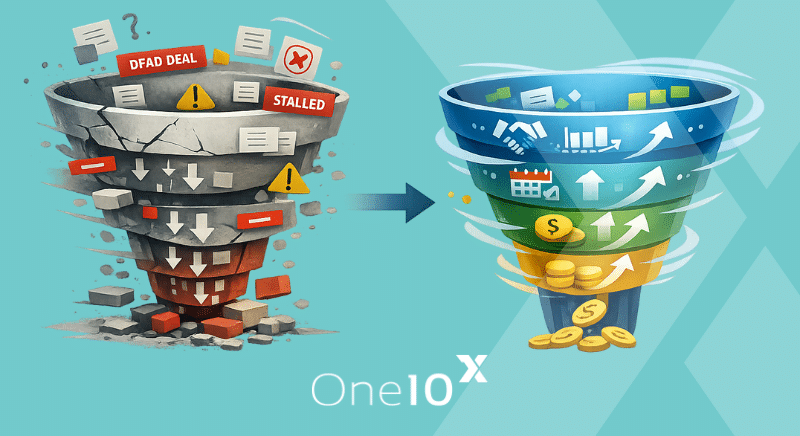
Many enterprise leaders design channel marketing campaigns around massive quarterly or annual targets. This approach carries a major flaw. If the goal feels too distant, channel partners disengage.
When individuals cannot see a clear path to early success, they delay effort, focus on easier opportunities or ignore the program entirely. This motivation gap frequently appears in distributed sales teams and complex partner ecosystems. Momentum solves this problem by breaking large global targets into visible, actionable steps.
The Science Behind Small Wins
The concept of small wins is a cornerstone of organizational psychology. Researchers find that daily progress stands as one of the strongest predictors of motivation and productivity. Small wins create three critical psychological effects:
Confidence: Early success builds the belief that a stretch goal is achievable.
Energy: Progress generates emotional momentum that sustains long-term effort.
Focus: Clear progress helps individuals prioritize the right activities.
When these factors combine, lead conversion rates and sales performance accelerate.
Spotting Momentum in Sales and Channel Performance
In revenue organizations, momentum appears as behavioral signals long before revenue actually changes. Early indicators include more partner registrations, increased deal activity and higher program participation. These signals prove that your campaign is influencing behavior. Revenue typically follows weeks or months later. Organizations that track these metrics through real-time analytics gain an early view of program effectiveness and scalability.
How High-Performing Companies Engineer Momentum
Top-performing technology and consumer goods companies never wait for momentum to happen organically. They actively design marketing tools and scalable solutions to create it. Common strategies include:
Early milestones: Reward the first steps rather than just the final outcome.
Frequent recognition: Acknowledge effort and progress throughout the campaign.
Progress transparency: Show participants exactly where they stand using customized dashboards.
Micro-incentives: Provide smaller rewards for early actions that build the sales pipeline.
These strategic tactics build a continuous cycle of motivation.
The Momentum Model for Performance Programs
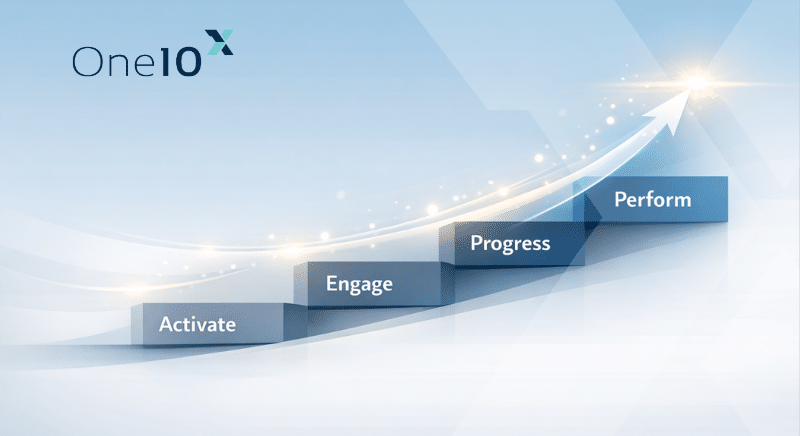
High-impact incentive programs typically follow a structured motivation pattern.
Early activation: Encourage initial participation quickly.
Visible progress: Provide clear feedback on movement toward goals.
Social reinforcement: Use leaderboards and peer recognition to amplify progress.
Momentum acceleration: Reward milestones that reinforce continued effort.
When you design performance solutions this way, channel partner engagement grows naturally.
Questions Leaders Should Ask About Their Programs
Senior executives evaluating performance solutions must look closely at program design. To maximize your ROI, ask yourself these questions:
No participants experience early wins?
Is progress visible and measurable?
Are we reinforcing behavior or only final outcomes?
How quickly do participants receive feedback on their effort?
If your global campaigns fail to generate early momentum, engagement will inevitably struggle.
Transform Motivation Into Measurable Business Impact
Performance rarely changes overnight, but behavior does. When enterprise organizations design scalable programs that create small wins and visible progress, motivation builds naturally. Momentum transforms initial effort into sustained, high-level performance. Over time, those small wins compound into the increased market share and channel performance every leader wants to achieve.
To unlock unparalleled efficiency in your next campaign, evaluate your current incentive structures. Implement real-time analytics, celebrate early milestones and watch your channel engagement soar.
Ready to accelerate your channel performance? Learn more about how One10 can help elevate your channel incentive programs.